Cyanotype as a Visual Practice with Reyes Boluda
This Course

Frequently Asked Questions
Course Description
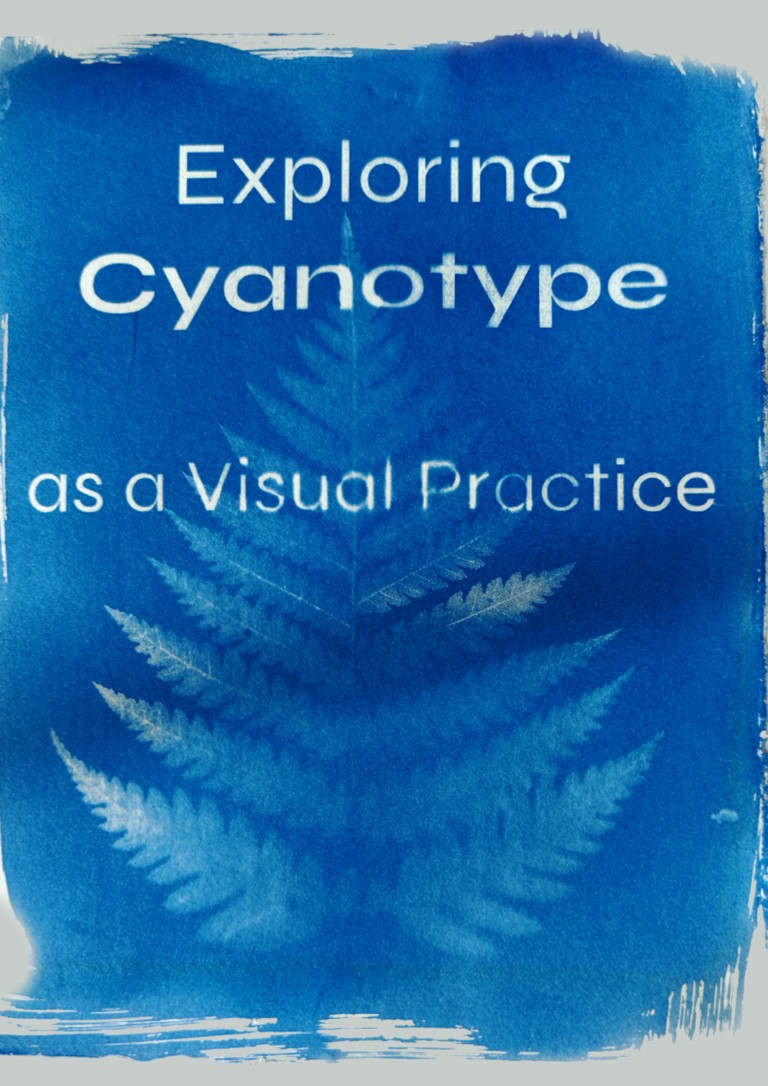
Cyanotype is a slow, poetic photographic process that invites us to pause, observe, and work with light, time, and matter. An ancient way of writing with light.
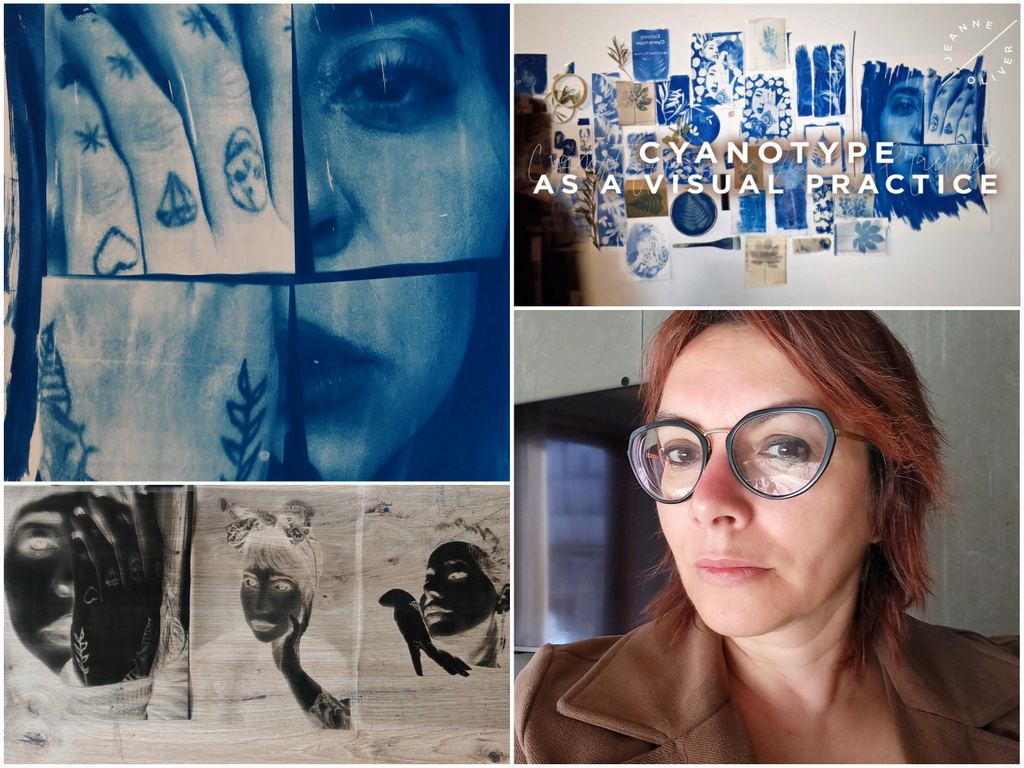
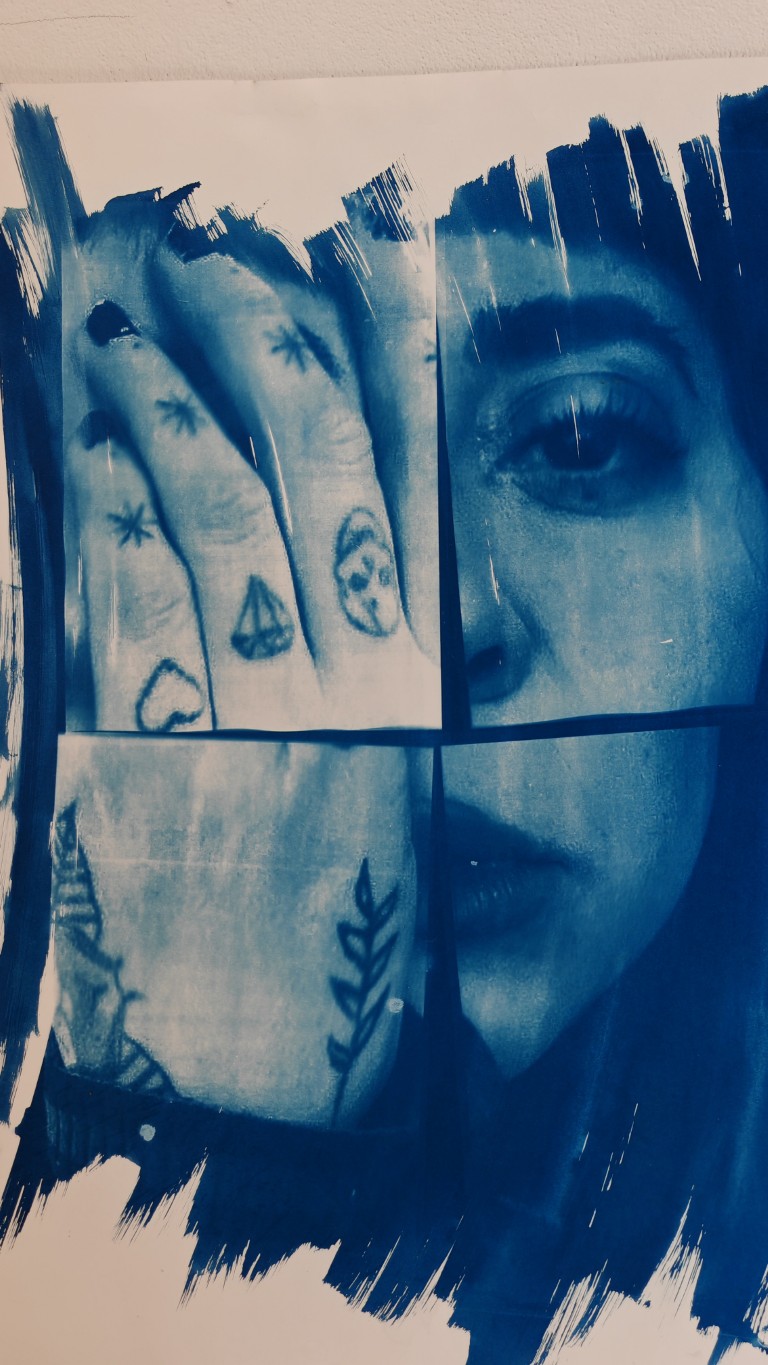
In this course, cyanotype becomes more than a technique. It becomes a visual practice rooted in observation, materiality, and contemplation.
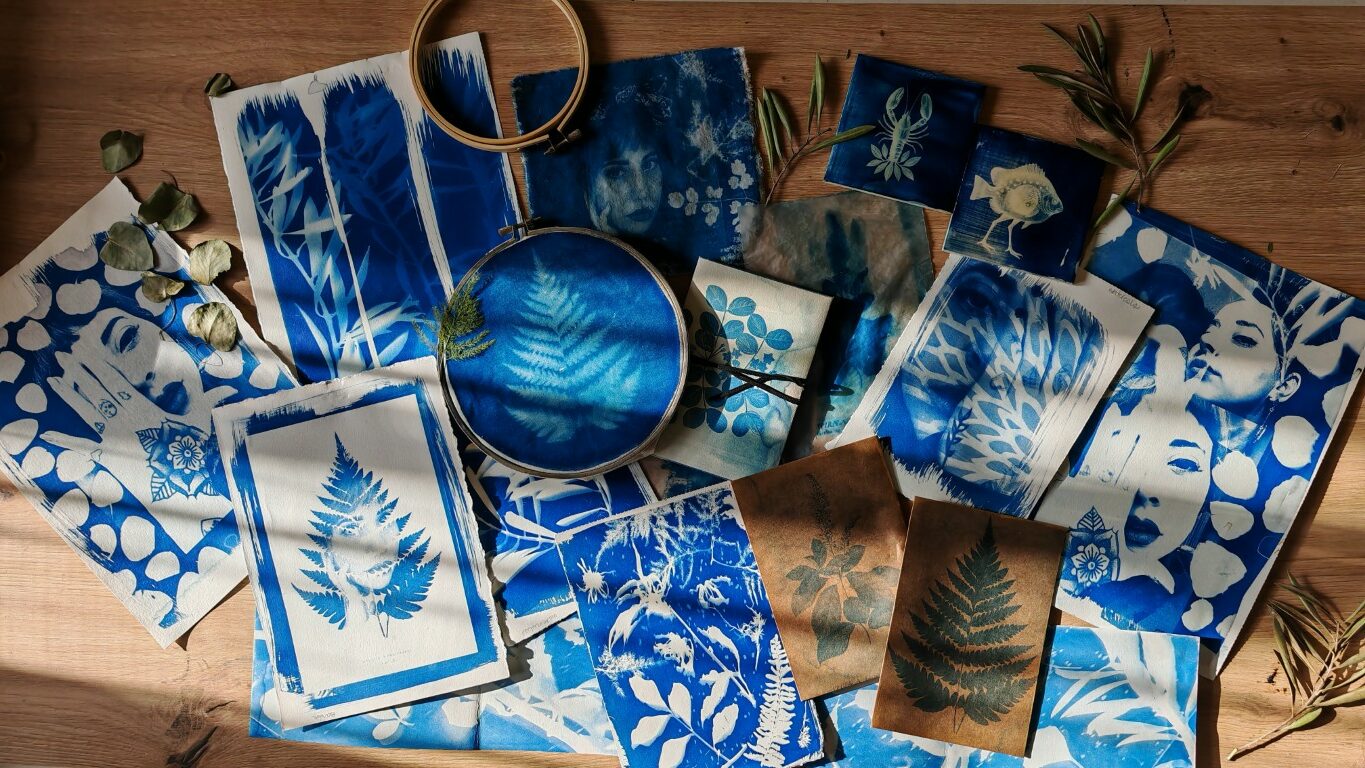
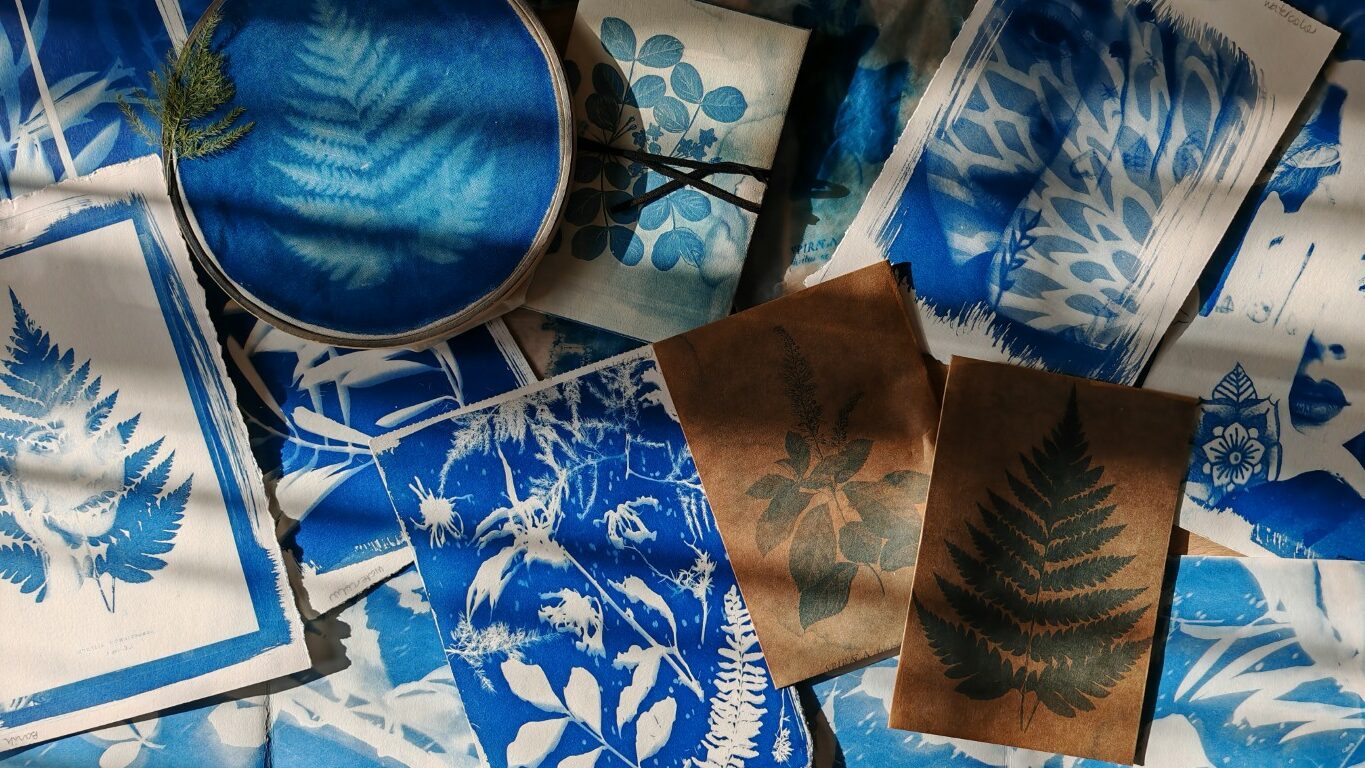
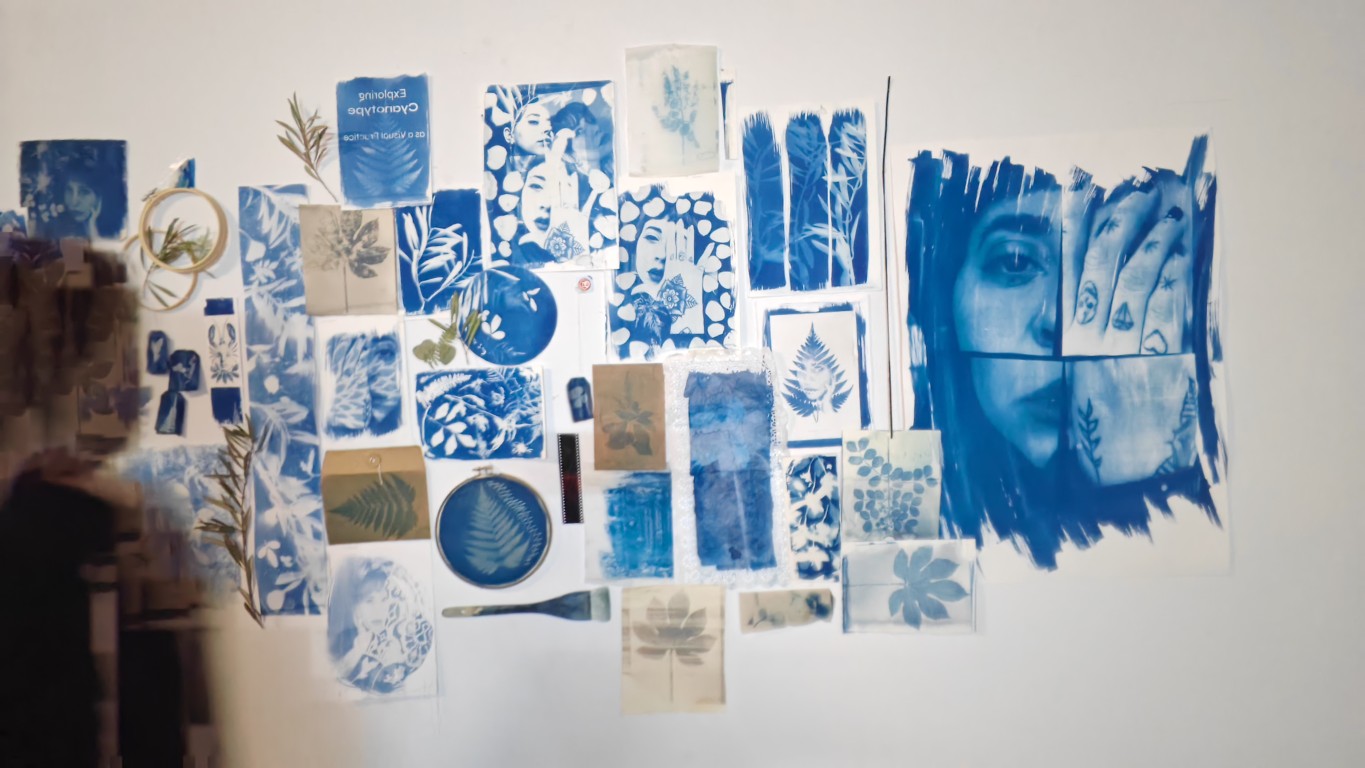
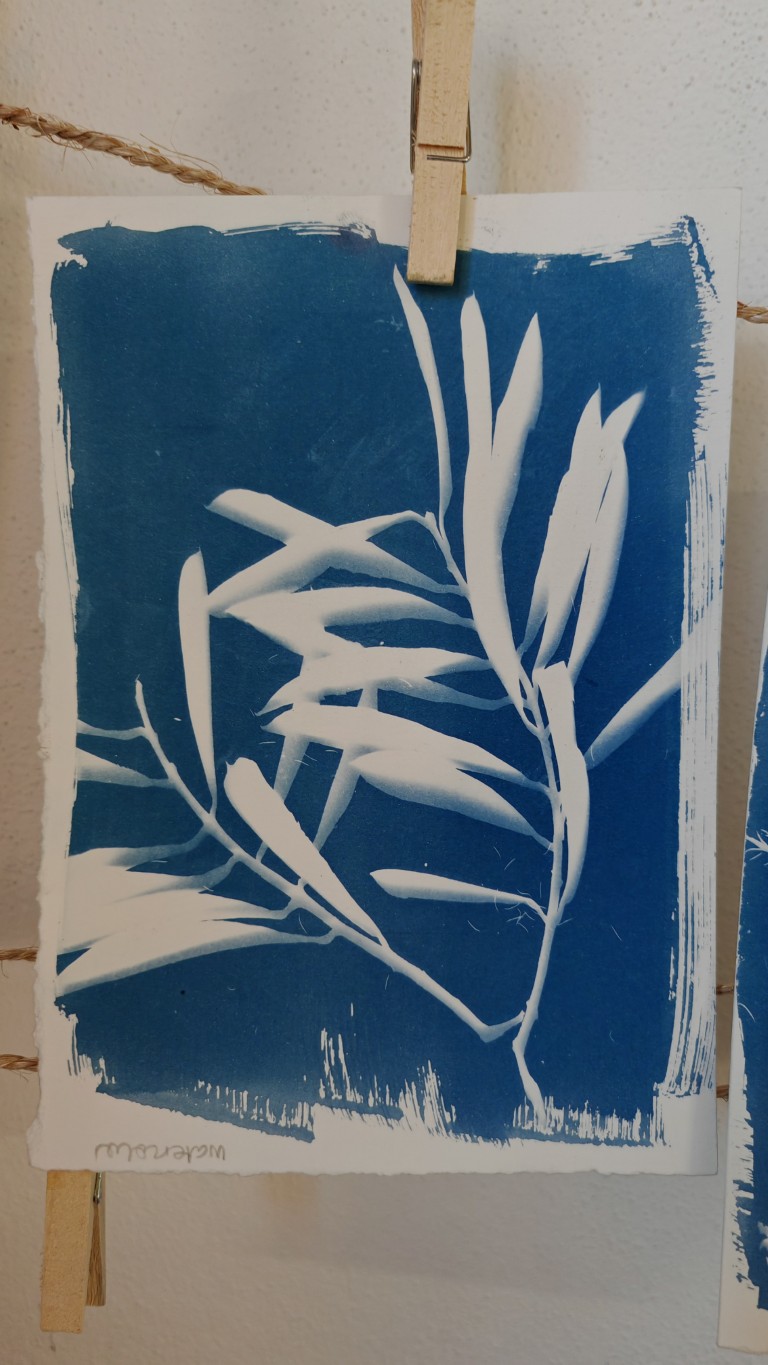
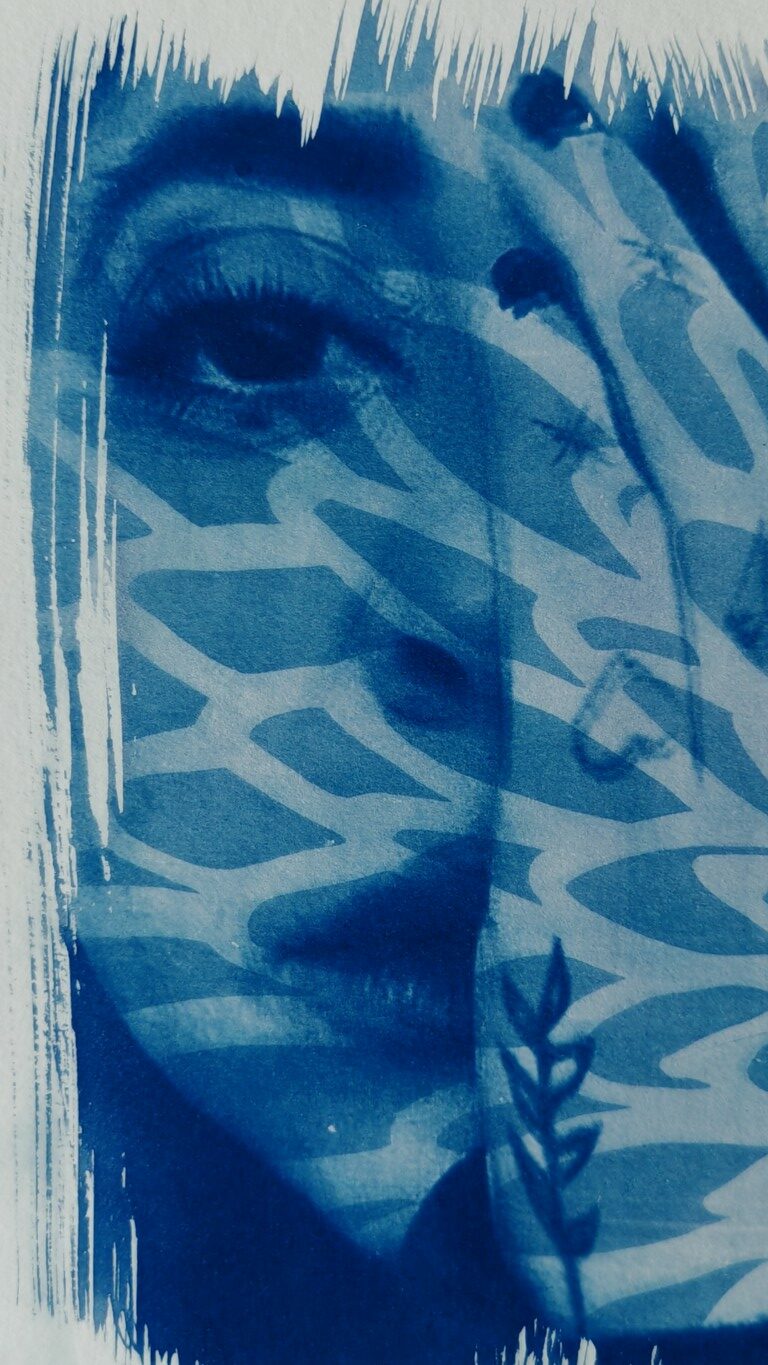
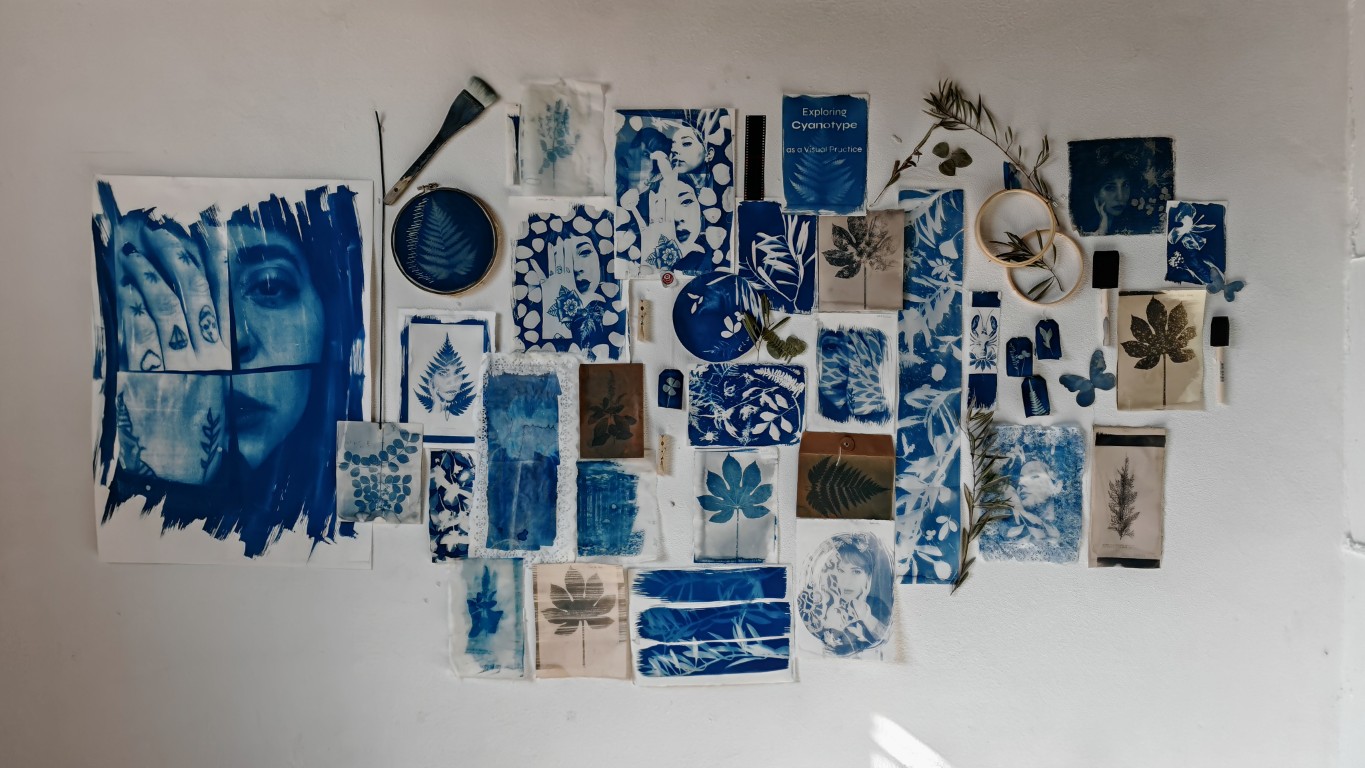
“In Exploring Cyanotype as a Visual Practice”, you are invited to work with botanicals, photographic images, textiles, and paper while learning both the technical foundations and the expressive possibilities of this legacy process. We will explore cyanotype as a language, moving between precision and chance, control and experimentation, allowing space for curiosity and discovery.
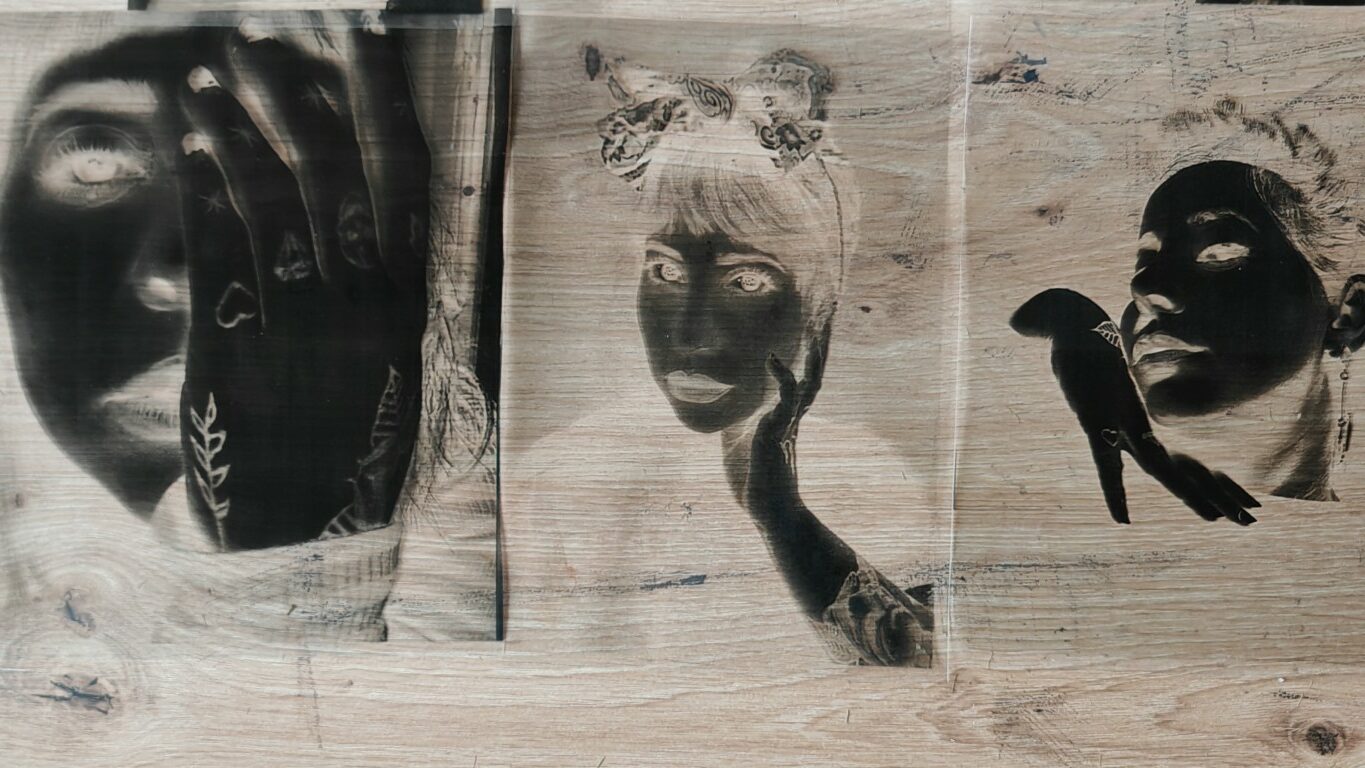
Throughout the course, I will guide you step by step through preparing your materials, understanding exposure, creating digital negatives, working with plants and images, toning, and experimenting with wet cyanotype techniques. Along the way, we will reflect on the history of cyanotype, its connection to nature, and how to develop a personal visual voice within this medium shaped by individual choices made during the cyanotype process.
This course is designed for creatives who are drawn to slow processes, tactile work, and meaningful image making. Whether you are new to cyanotype or looking to deepen your practice, you will leave with a clear technical foundation, a body of experimental work, and a renewed relationship with light, time, and material.
Techniques Taught
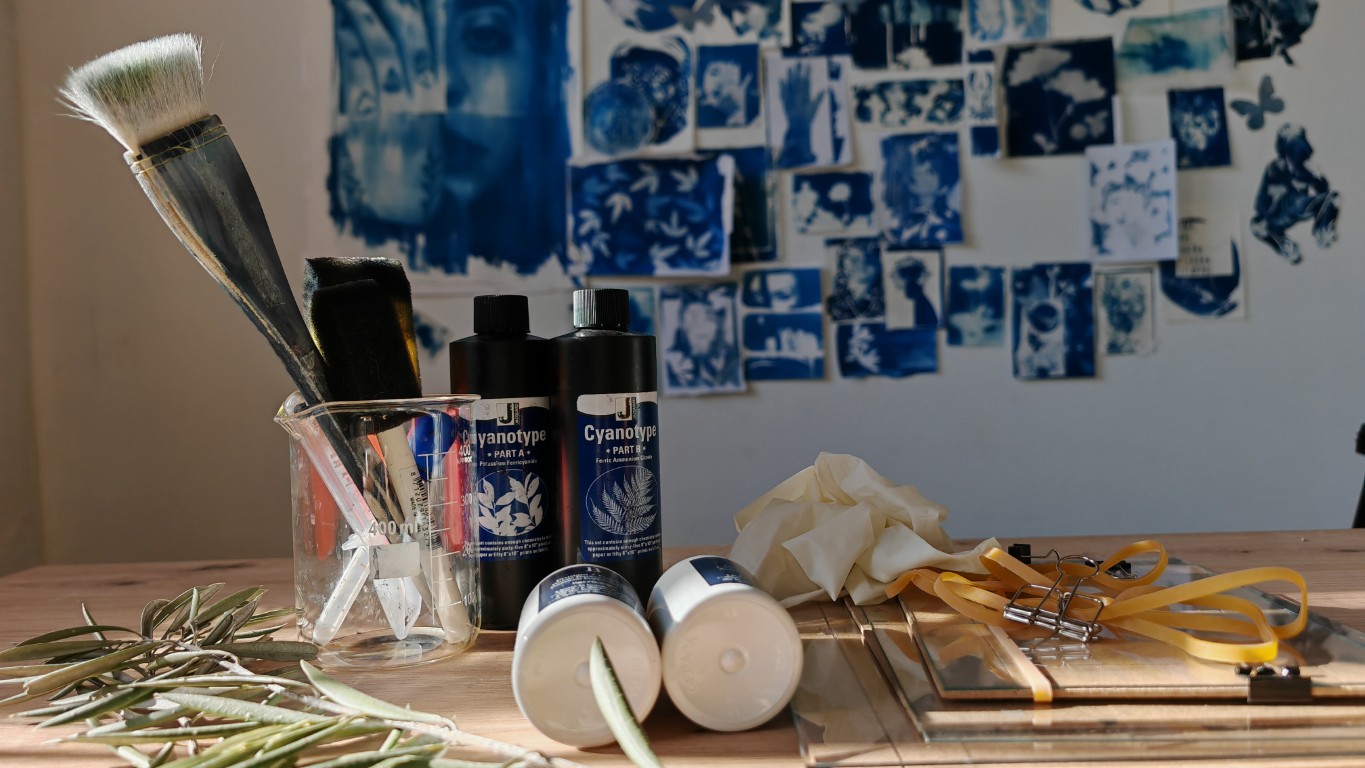
- Preparing and mixing cyanotype chemistry safely
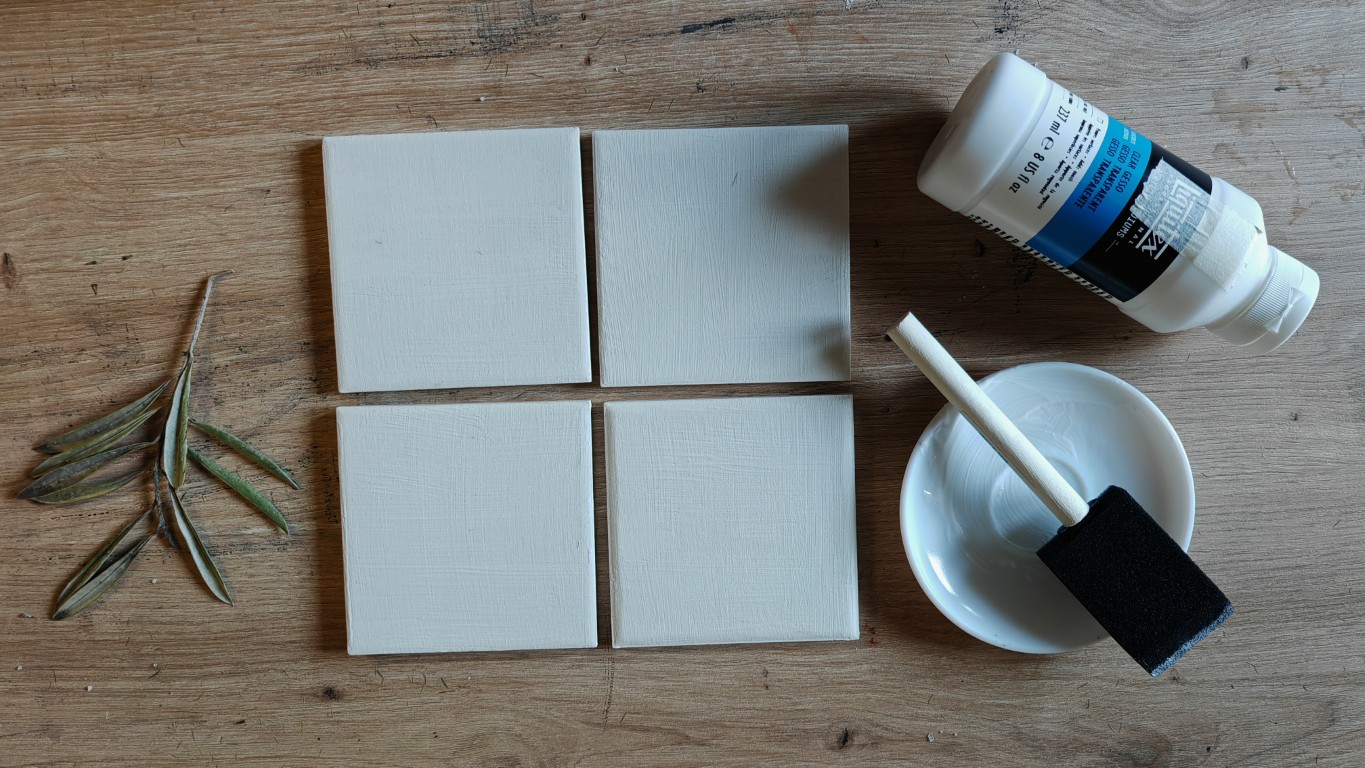
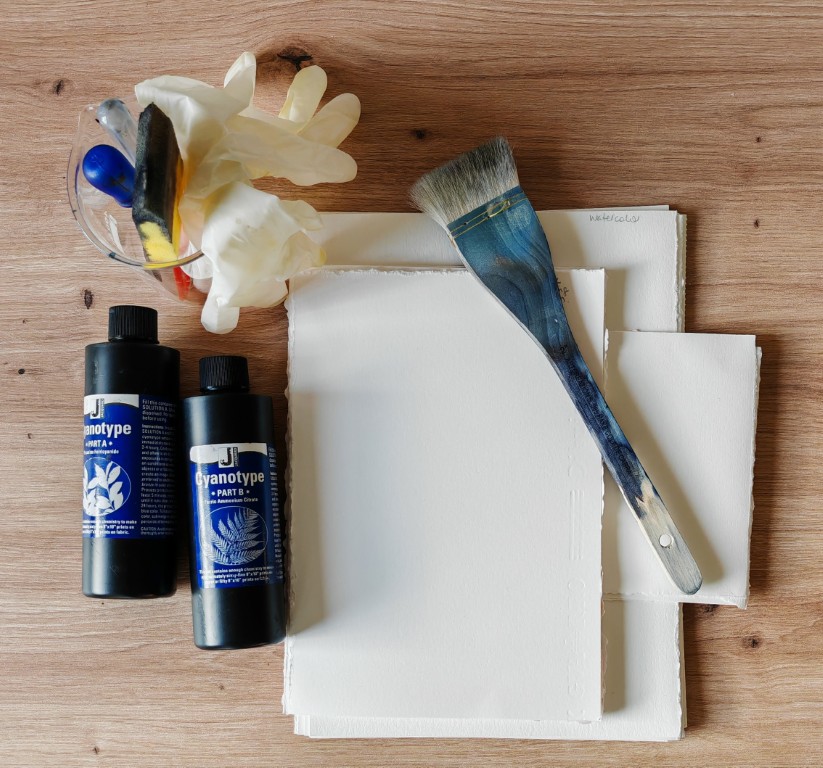
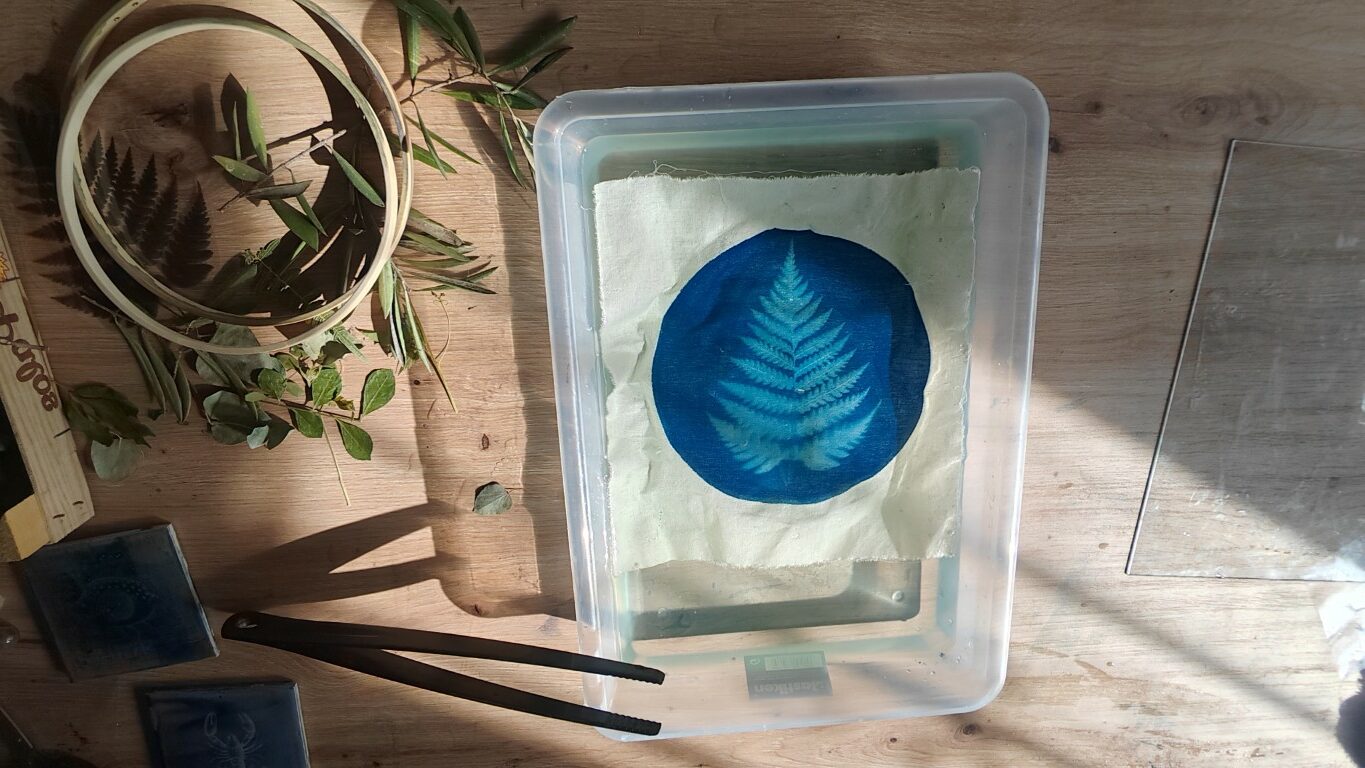
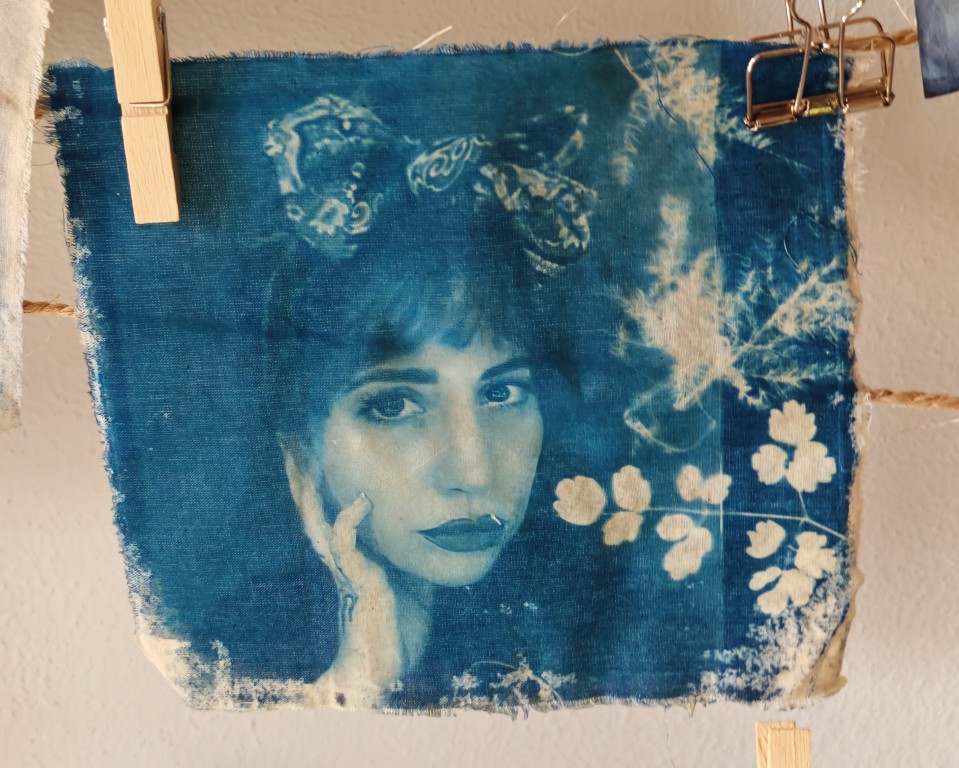
- Coating paper, fabric, and ceramic surfaces with cyanotype solution
- Controlling exposure using natural UV light
- Rinsing and developing cyanotype prints properly
- Troubleshooting exposure and development issues
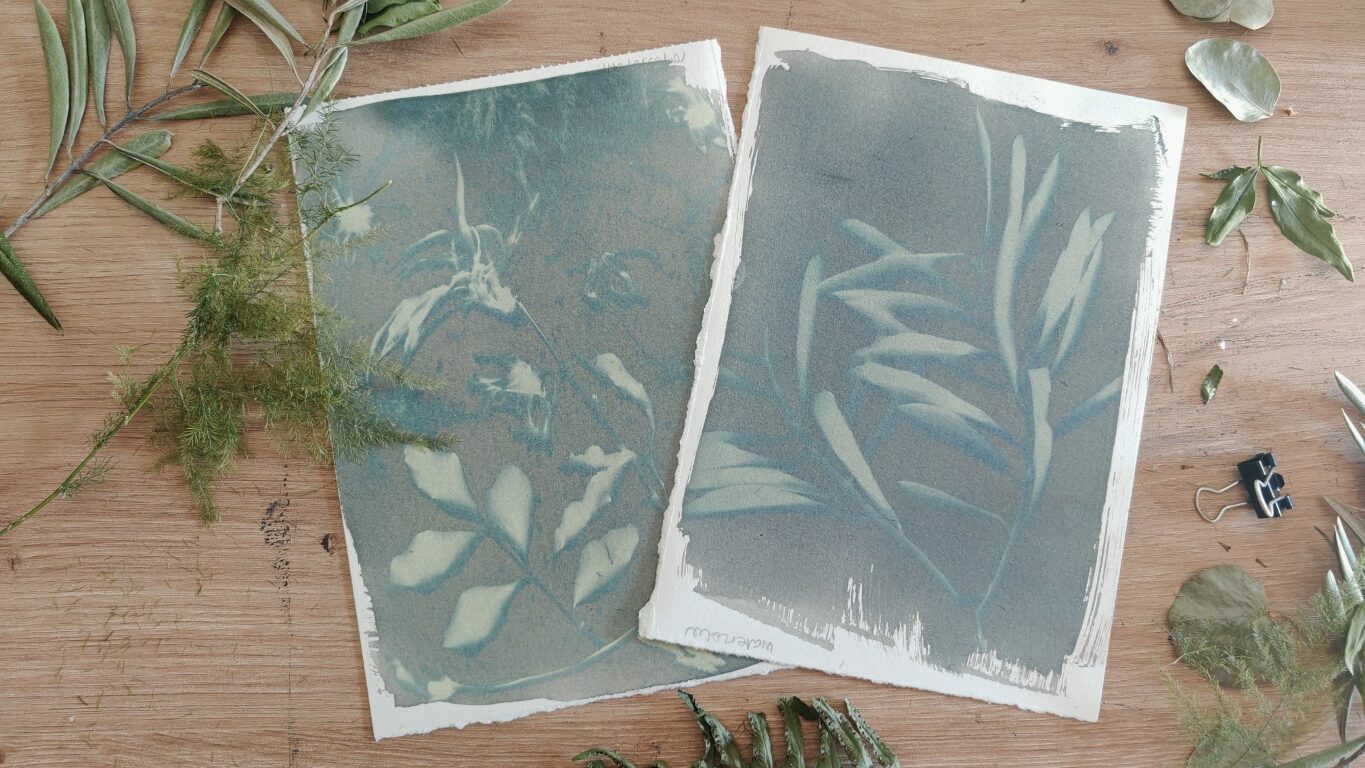
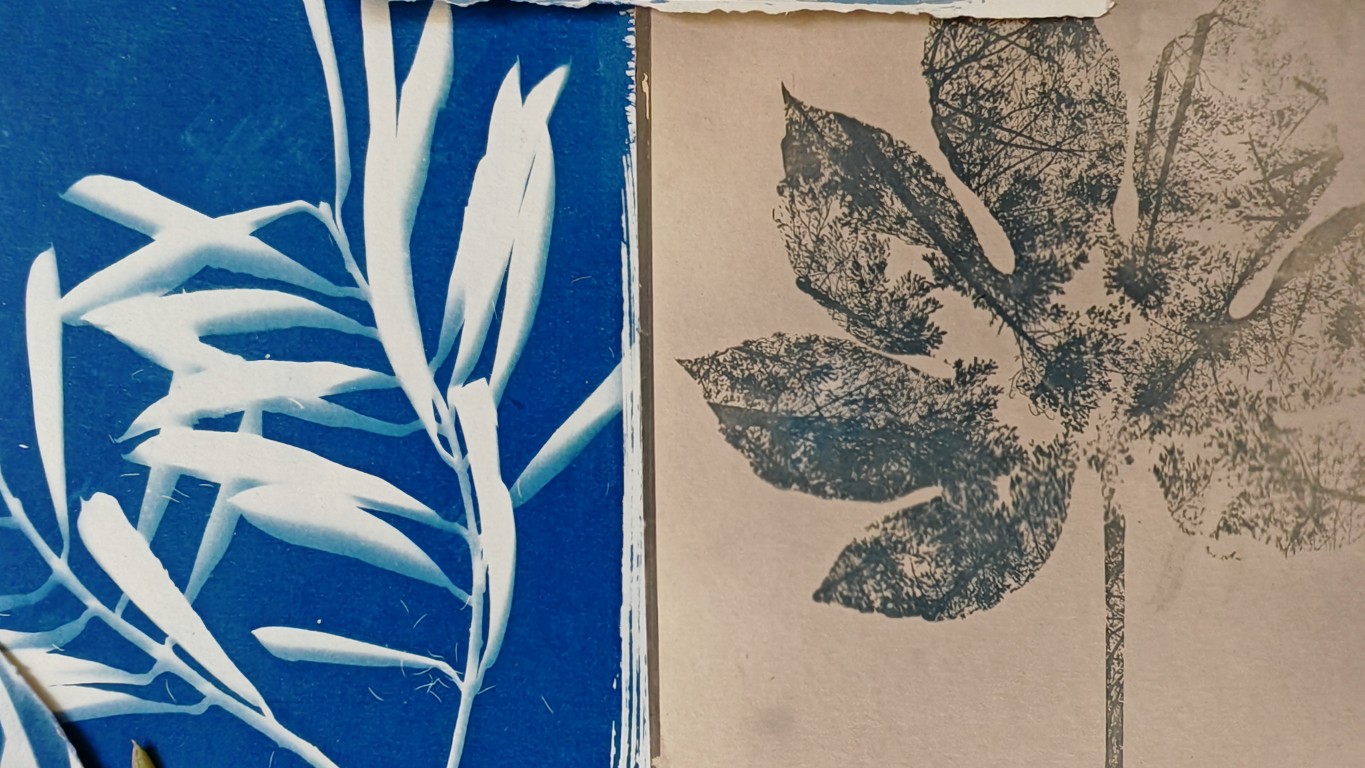
- Creating botanical cyanotypes using real plants
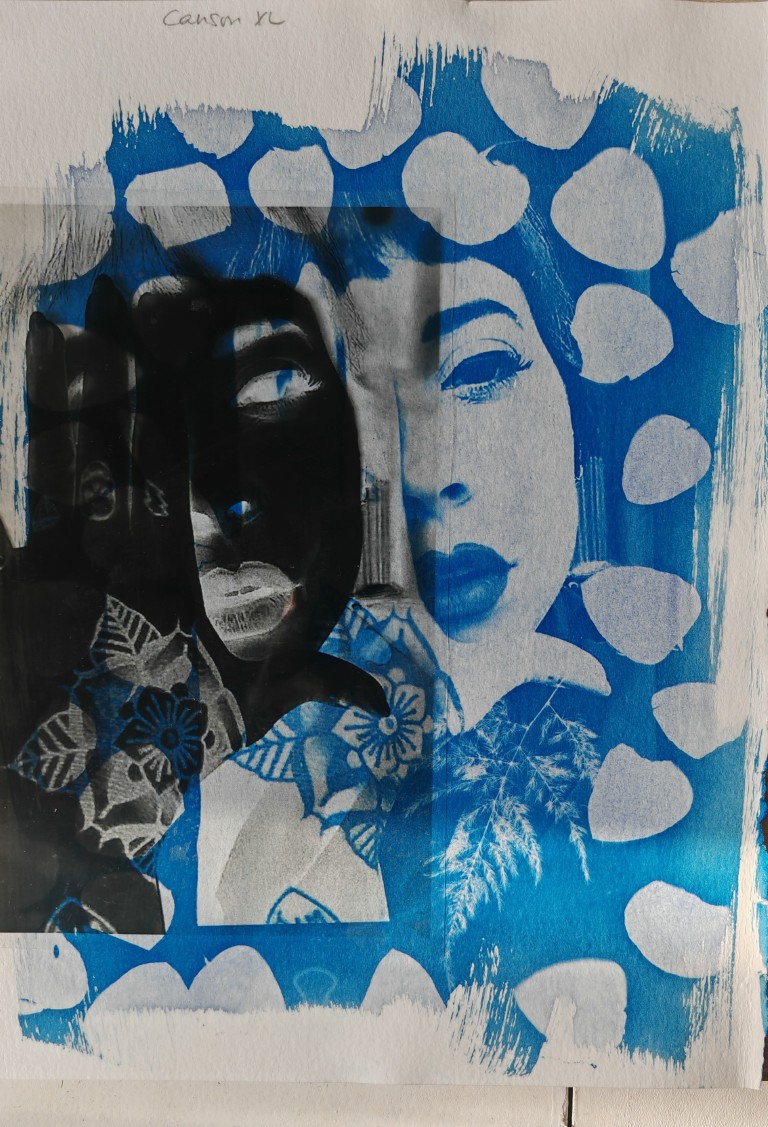
- Designing and printing digital negatives for cyanotype
- Printing photographic images in cyanotype
- Applying wet cyanotype techniques for experimental effects
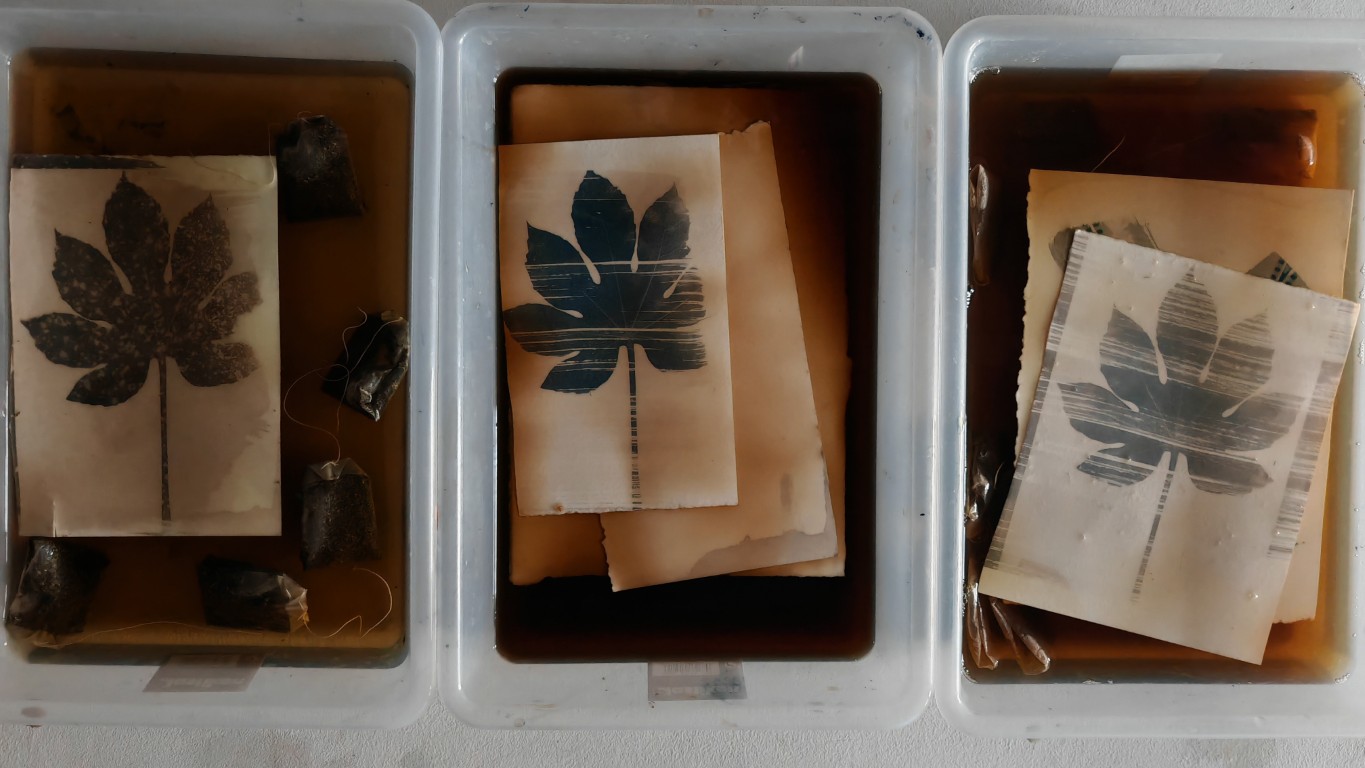
- Toning cyanotype prints using natural materials
- Adjusting pH to modify tonal outcomes
- Adding hand stitching to finished cyanotype prints